If you’ve ever looked into a reverse mortgage, you may have heard that counseling is required before you can move forward. For some people, that raises a red flag. Others assume it’s just another hoop to jump through.
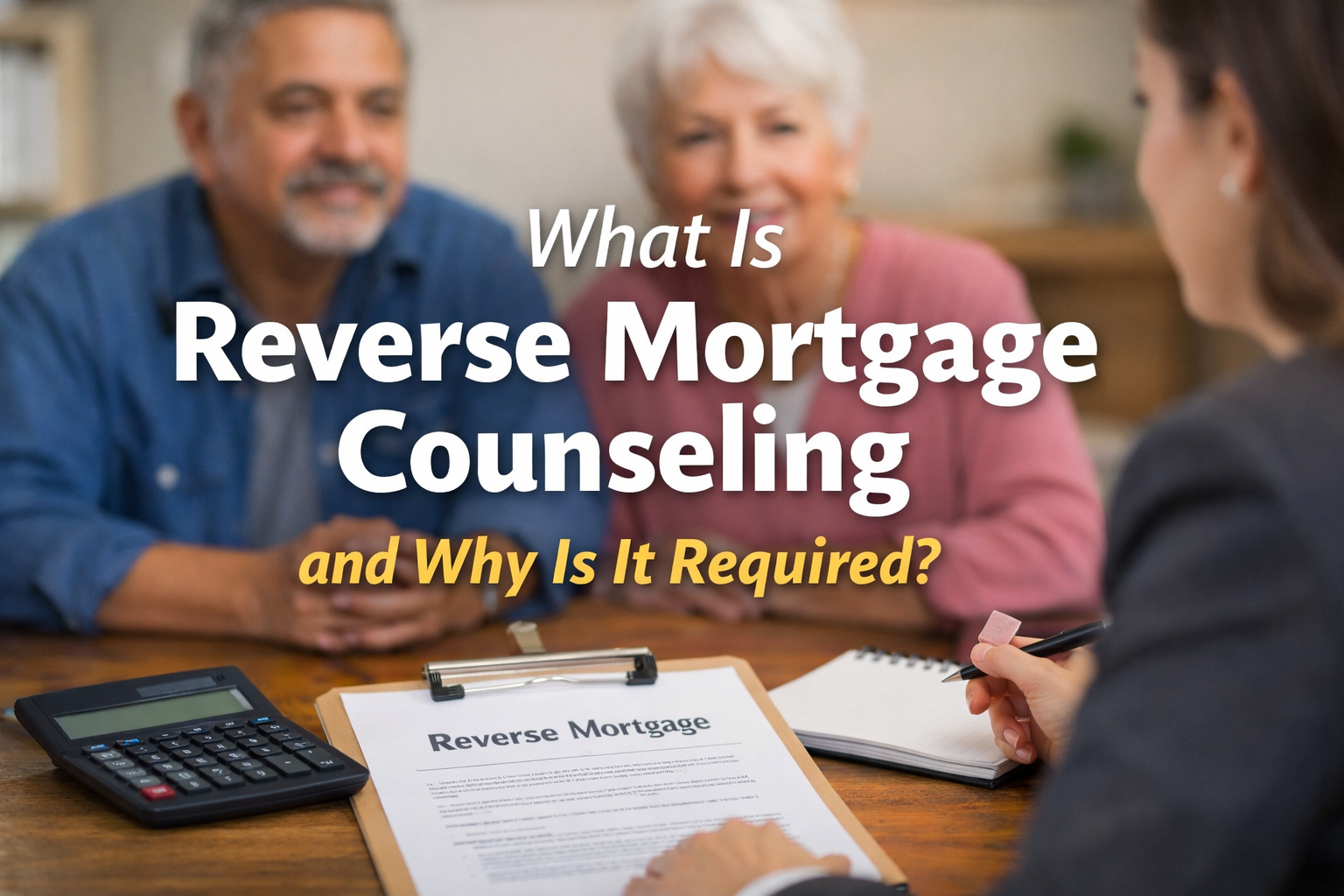
In reality, reverse mortgage counseling is one of the most important consumer protections built into the program. It exists to make sure you fully understand how the loan works before making a decision.
Let’s walk through what it is, why it matters, and what you can expect.
Why Counseling Is Required
Reverse mortgages—most commonly the Home Equity Conversion Mortgage (HECM), which is insured by the Federal Housing Administration—require independent counseling before the loan application can move forward.
The purpose is simple: education and protection.
A reverse mortgage allows homeowners age 62 or older to access a portion of their home equity. Instead of making monthly mortgage payments, the loan balance increases over time and is typically repaid when the home is sold, the borrower moves out permanently, or passes away.
Because this is different from a traditional “forward” mortgage, the government requires borrowers to meet with a HUD-approved counselor to make sure they understand:
- How the loan works
- What their responsibilities will be
- How it may impact heirs
- Alternatives that may be available
This counseling is not optional. It must happen before you can complete the application process.
Who Provides the Counseling?
Reverse mortgage counseling must be completed through a HUD-approved counseling agency. The counselor is independent. They do not work for the lender, and they do not earn a commission if you choose to move forward.
That independence is intentional. It ensures that the conversation is focused on education—not sales.
The session is typically done by phone, though in some cases it can be completed in person. After the session, you will receive a counseling certificate, which is required before a lender can proceed with your reverse mortgage application.
What Happens During the Session?
The session usually lasts about 60–90 minutes. During that time, the counselor will review:
- Your financial situation
- Your goals
- Your monthly obligations
- Your understanding of the reverse mortgage
They will explain key topics such as:
- You must continue to live in the home as your primary residence
- You must maintain the property
- You must continue paying property taxes, homeowner’s insurance, and any required fees
- The loan balance increases over time
- The home remains yours, but the loan becomes due when certain maturity events occur
They will also discuss what happens when the loan becomes due, including options for heirs.
Importantly, the counselor may review alternatives. In some cases, a home equity line of credit, refinancing, downsizing, or local assistance programs may better fit a homeowner’s goals. The point of counseling is not to “push” you in any direction. It is to make sure you understand your choices.
Is Counseling a Bad Sign?
I often hear people ask, “If it’s such a good product, why do I need counseling?”
The answer is actually reassuring. Counseling is there because reverse mortgages are designed for a specific demographic—older homeowners—and the program includes safeguards to protect them.
In my view, that’s a strength, not a weakness.
It ensures that no one moves forward without first having a neutral, educational conversation about the loan.
My Role in the Process
As a mortgage professional, my job is to educate and help you evaluate whether a reverse mortgage aligns with your long-term goals. The counselor’s role is to independently confirm your understanding and protect your interests.
Those are two different roles—and that’s by design.
If you are exploring whether a reverse mortgage might help supplement retirement income, eliminate a monthly mortgage payment, or provide flexibility in your financial plan, I’m happy to walk through the basics with you first. Then, if it makes sense to continue, I’ll guide you through the required counseling step so you know exactly what to expect.
Every homeowner’s situation is unique. The key is understanding the facts before making a decision.
Reverse Mortgage Disclosure
For more information on Reverse Mortgages, visit:
https://onetrusthomeloans.com/reversemortgage-disclosures/
The borrower must meet all loan obligations, including living in the property as the principal residence and paying property charges, including property taxes, fees, hazard insurance. The borrower must maintain the home. If the homeowner does not meet these loan obligations, then the loan will need to be repaid. This is not tax advice. Consult a tax professional. These materials are not from HUD or FHA and were not approved by HUD or a government agency. This is an Advertisement. All products are not available in all states. All options are not available on all programs. All programs are subject to borrower and property qualifications. Rates, terms and conditions are subject to change without notice. For more information on Reverse Mortgages, visit:
https://onetrusthomeloans.com/reversemortgage-disclosures/