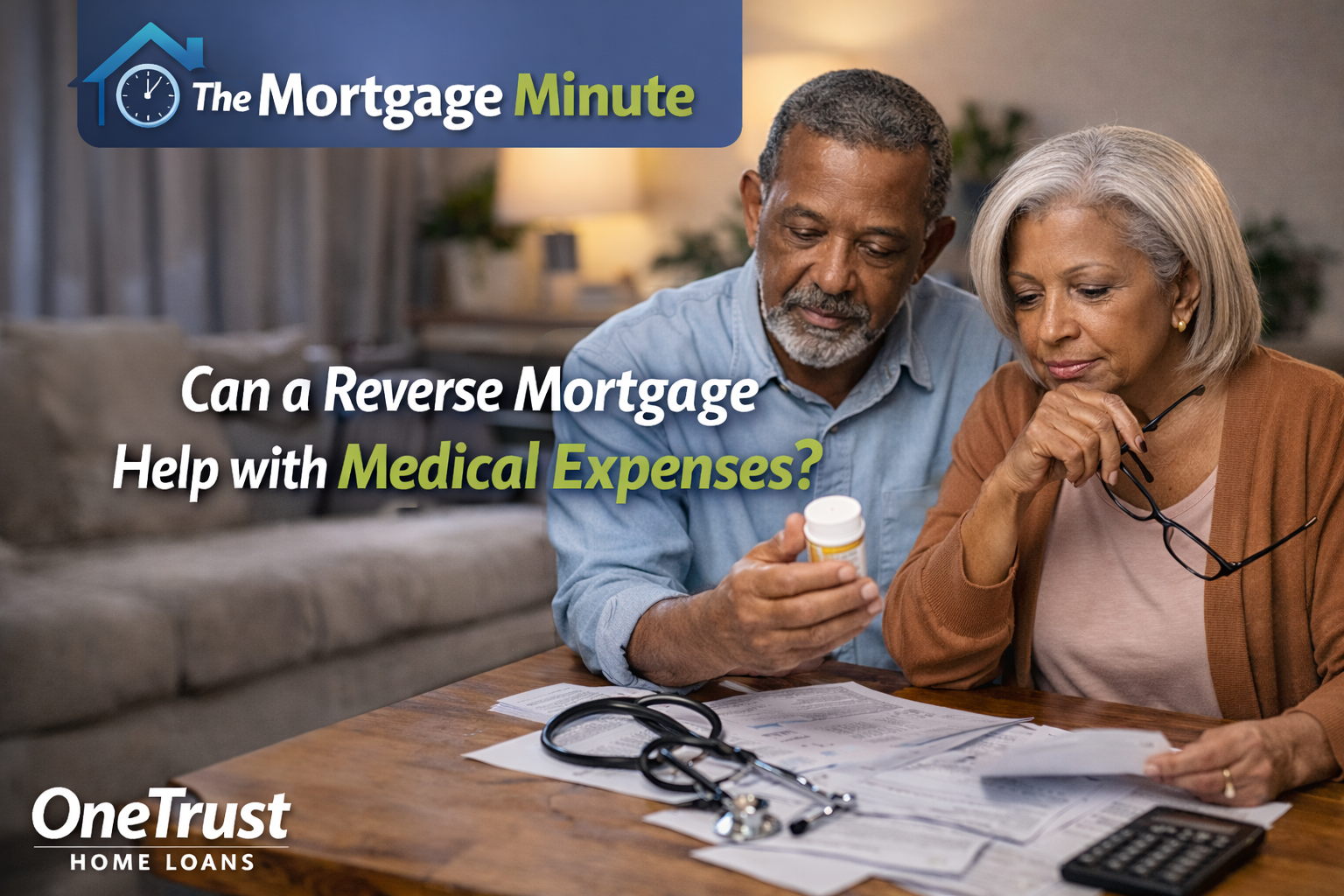
Medical expenses are one of the most common financial challenges retirees face. Even with Medicare, out-of-pocket costs like deductibles, co-pays, prescriptions, in-home care, and long-term care services can quickly strain a fixed income. For many homeowners, the issue isn’t a lack of assets—it’s that much of their wealth is tied up in their home.
This is where a reverse mortgage can sometimes play a role in a broader retirement and healthcare strategy.
A reverse mortgage allows eligible homeowners, generally age 62 or older, to access a portion of their home’s equity without requiring monthly mortgage payments. Funds can be received as a lump sum, a line of credit, monthly payments, or a combination of these options, depending on the program and borrower qualifications. The proceeds are not considered taxable income, which can make them appealing when managing rising medical costs.
The flexibility of how the funds can be used is often the biggest advantage. Some homeowners use reverse mortgage proceeds to help cover ongoing medical bills, prescription costs, or in-home care. Others use the funds to make home modifications that support aging in place, such as installing grab bars, ramps, wider doorways, or walk-in showers. A line of credit option can also serve as a financial safety net, allowing homeowners to preserve savings while knowing funds are available if health-related expenses increase unexpectedly.
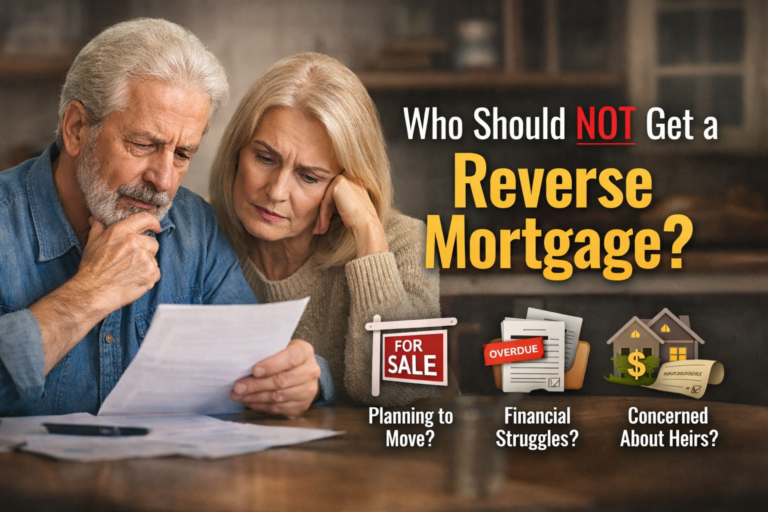
That said, a reverse mortgage is still a loan and should be evaluated carefully. Interest accrues over time, and borrowers must continue to meet loan obligations, including paying property taxes and insurance and maintaining the home. A reverse mortgage may also affect long-term financial planning or the amount of equity left for heirs. For some homeowners, other solutions—such as downsizing, using savings, or coordinating benefits—may be a better fit.
Whether a reverse mortgage can help with medical expenses really depends on the individual situation. The goal is not to push a specific solution, but to understand the options and how they align with your overall retirement and healthcare plan. Sometimes clarity alone makes these decisions feel far less overwhelming.
If you’re considering how to handle medical expenses in retirement and want to explore whether a reverse mortgage should even be part of the conversation, I’m always happy to walk through the details and help you think it through.
Reverse Mortgage Disclosure
For more information on Reverse Mortgages, visit:
https://onetrusthomeloans.com/reversemortgage-disclosures/
The borrower must meet all loan obligations, including living in the property as the principal residence and paying property charges, including property taxes, fees, hazard insurance. The borrower must maintain the home. If the homeowner does not meet these loan obligations, then the loan will need to be repaid. This is not tax advice. Consult a tax professional. These materials are not from HUD or FHA and were not approved by HUD or a government agency. This is an Advertisement. All products are not available in all states. All options are not available on all programs. All programs are subject to borrower and property qualifications. Rates, terms and conditions are subject to change without notice. For more information on Reverse Mortgages, visit:
https://onetrusthomeloans.com/reversemortgage-disclosures/