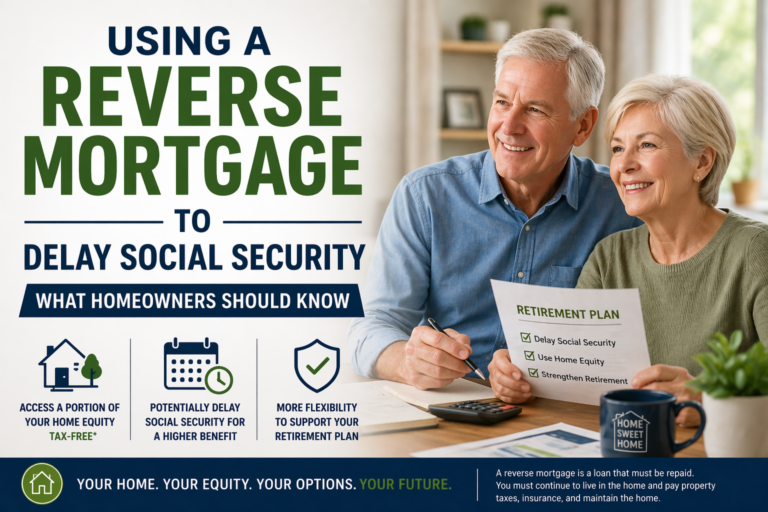
Reverse mortgages can be a smart financial tool for homeowners—typically age 62 or older, though some proprietary programs begin as early as age 55. These loans allow you to tap into your home’s equity without giving up ownership or taking on a monthly mortgage payment.
But as with any financial product aimed at older adults, reverse mortgages can attract scammers. At OneTrust Home Loans, we believe the best way to prevent fraud is through education and proactive planning.
Here’s what you should know to protect yourself—or your loved ones—from reverse mortgage scams:
✅ Work with a Trusted, Licensed Lender
Whether it’s a government-insured Home Equity Conversion Mortgage (HECM) or a proprietary reverse mortgage, it’s essential to work with a reputable lender. Scammers may try to get you to sign up for products that aren’t real or don’t fit your needs. Always verify licensing, credentials, and reviews—and don’t hesitate to ask questions.
✅ Be Cautious of High-Pressure Tactics
Some companies use mailers or phone calls to let homeowners know about reverse mortgage options—and that’s not inherently a red flag. But if someone pressures you to act immediately, guarantees “free money,” or discourages you from involving your family, be wary. A legitimate loan officer will welcome your questions and give you time to consider your options.
✅ Understand the Paperwork—Counseling is Required
For FHA-insured HECM loans, counseling through a HUD-approved agency is a required step before moving forward. For proprietary reverse mortgages, requirements can vary—but a trustworthy lender will still walk you through the terms in detail. If someone suggests skipping counseling or rushes you to sign documents you don’t understand, it’s time to hit the brakes.
✅ Don’t Sign Anything You Don’t Fully Understand
Whether it’s paperwork, payout terms, or loan fees—everything should be clear to you. If the explanation doesn’t make sense, ask again. You should never feel rushed or confused. A good loan officer will explain everything in plain language and involve your trusted advisors if needed.
✅ Watch for Investment or Contractor Scams
Unfortunately, some scammers convince seniors to take out a reverse mortgage and then use the proceeds for bogus investments, unnecessary home improvements, or even fake charities. Always verify where your funds are going. If a third party is pressuring you to take out a reverse mortgage “for their services,” get a second opinion.
Bottom Line:
Reverse mortgages can be a safe and effective solution when used responsibly—and with the right guidance. At OneTrust Home Loans, we offer both FHA-insured and proprietary reverse mortgage options, and we take the time to educate our clients so they can make confident decisions.
If something doesn’t feel right—or if you just want someone to explain your options clearly—reach out. We’re here to help, no pressure, just honest guidance you can trust.
Reverse Disclaimer: The borrower must meet all loan obligations, including living in the property as the principal residence and paying property charges, including property taxes, fees, hazard insurance. The borrower must maintain the home. If the homeowner does not meet these loan obligations, then the loan will need to be repaid. This is not tax advice. Consult a tax professional. These materials are not from HUD or FHA and were not approved by HUD or a government agency. This is an Advertisement. All products are not available in all states. All options are not available on all programs. All programs are subject to borrower and property qualifications. Rates, terms and conditions are subject to change without notice. For more information on Reverse Mortgages, visit: https://onetrusthomeloans.com/reversemortgage-disclosures/