One of the most common questions I hear from homebuyers is, “What paperwork do I actually need to apply for a mortgage?” The short answer is: more than you expect, but less than you might fear. Knowing what documents to gather ahead of time can make the process smoother, faster, and far less stressful.
At its core, a mortgage application is about verifying four things: who you are, how much you earn, what you own, and what you owe. Lenders are required to document these areas carefully, not to make things difficult, but to ensure the loan is a good fit for you and meets lending guidelines.
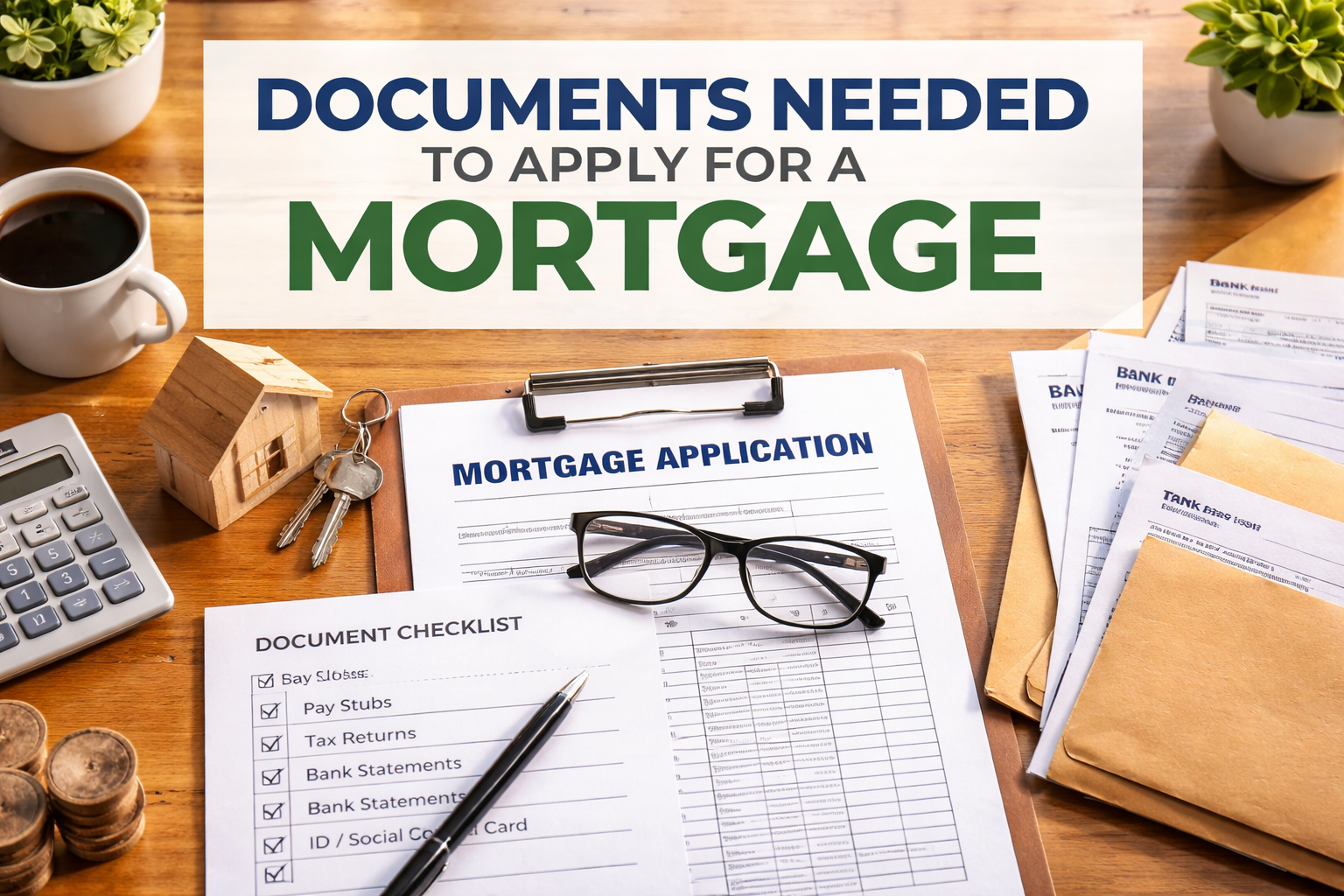
You’ll start with basic personal information. A valid photo ID is required, typically a driver’s license or passport. You’ll also need your Social Security number so your lender can pull your credit report. If you’re not a U.S. citizen, additional residency documentation may be required.
Income documentation is next, and this is where many borrowers have the most questions. If you’re a W-2 employee, expect to provide your most recent pay stubs covering about 30 days, along with W-2s from the past two years. Self-employed borrowers will usually need the last two years of personal and business tax returns, plus a year-to-date profit and loss statement. If you receive other income—such as Social Security, pension, disability, child support, or rental income—those sources will also need documentation.
Assets are another key piece. Lenders need to confirm you have the funds required for your down payment, closing costs, and reserves if applicable. This is typically done with the most recent two months of bank statements. Retirement accounts, investment accounts, or gift funds may also be documented, depending on your situation.
You’ll also provide information about your debts and housing history. While many liabilities appear on your credit report, items like child support or alimony may require additional documentation. If you currently rent, a landlord verification may be requested. Homeowners will usually provide a current mortgage statement, tax bill, and insurance declaration page.
Finally, once you’re under contract, property-related documents come into play. This includes the purchase agreement, and later, items like appraisal and insurance details, which your lender will often help coordinate.
Every loan is a little different, so not every borrower will need every document listed here. The good news is that a good loan officer will walk you through exactly what’s needed and why, so there are no surprises along the way.
If you’re thinking about buying a home and want a clear, personalized document checklist before you apply, I’m always happy to help. A quick conversation upfront can save a lot of time—and headaches—later.