
This is one of the most common — and most misunderstood — questions I hear about reverse mortgages. The short answer is no, banks do not automatically take your house just because you have a reverse mortgage. But like most things in mortgages, the real answer deserves a little context.
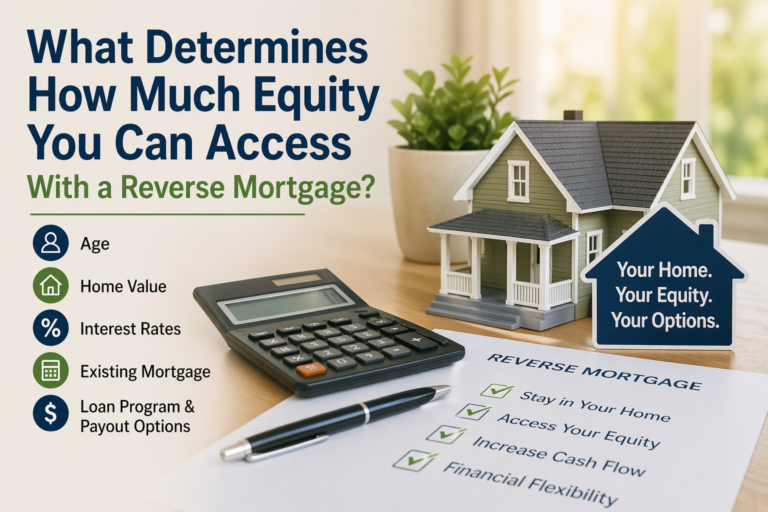
With a reverse mortgage, you remain the homeowner. Your name stays on the title, not the bank’s. You can live in the home, make improvements, and even sell it later if you choose. The loan is designed to help homeowners age 62 and older access a portion of their home’s equity without making monthly mortgage payments.
So where does the fear come from? Usually from a misunderstanding of how the loan works. A reverse mortgage does come with responsibilities. You must live in the home as your primary residence, keep the property reasonably maintained, and stay current on property taxes, homeowners insurance, and any applicable HOA dues. These obligations are similar to those required with a traditional mortgage.
Another important point is what happens when the homeowner permanently leaves the home, sells it, or passes away. At that time, the loan becomes due and payable. This does not mean heirs automatically lose the home. In most cases, heirs have options. They can sell the home and keep any remaining equity, refinance the balance into a traditional loan, or pay off the loan another way. Reverse mortgages are non-recourse loans, which means neither the homeowner nor the heirs can owe more than the home’s value.
The idea that “the bank takes your house” is one of the biggest myths surrounding reverse mortgages. When the loan rules are followed and the product is fully understood, a reverse mortgage is designed to help homeowners stay in their homes longer — not take them away.
If this question has crossed your mind, or if you’re hearing conflicting information from friends, family, or the internet, you’re not alone. A reverse mortgage can be a helpful financial tool in the right situation, but it’s important to understand how it works before deciding if it’s a good fit.
If you’d like clear, no-pressure answers about reverse mortgages, you can reach out to me today. I’m always happy to help you understand your options.
For more information on Reverse Mortgages, visit:
https://onetrusthomeloans.com/reversemortgage-disclosures/
Compliance Disclosure:
The borrower must meet all loan obligations, including living in the property as the principal residence and paying property charges, including property taxes, fees, hazard insurance. The borrower must maintain the home. If the homeowner does not meet these loan obligations, then the loan will need to be repaid. This is not tax advice. Consult a tax professional. These materials are not from HUD or FHA and were not approved by HUD or a government agency. This is an Advertisement. All products are not available in all states. All options are not available on all programs. All programs are subject to borrower and property qualifications. Rates, terms and conditions are subject to change without notice. For more information on Reverse Mortgages, visit: https://onetrusthomeloans.com/reversemortgage-disclosures/